
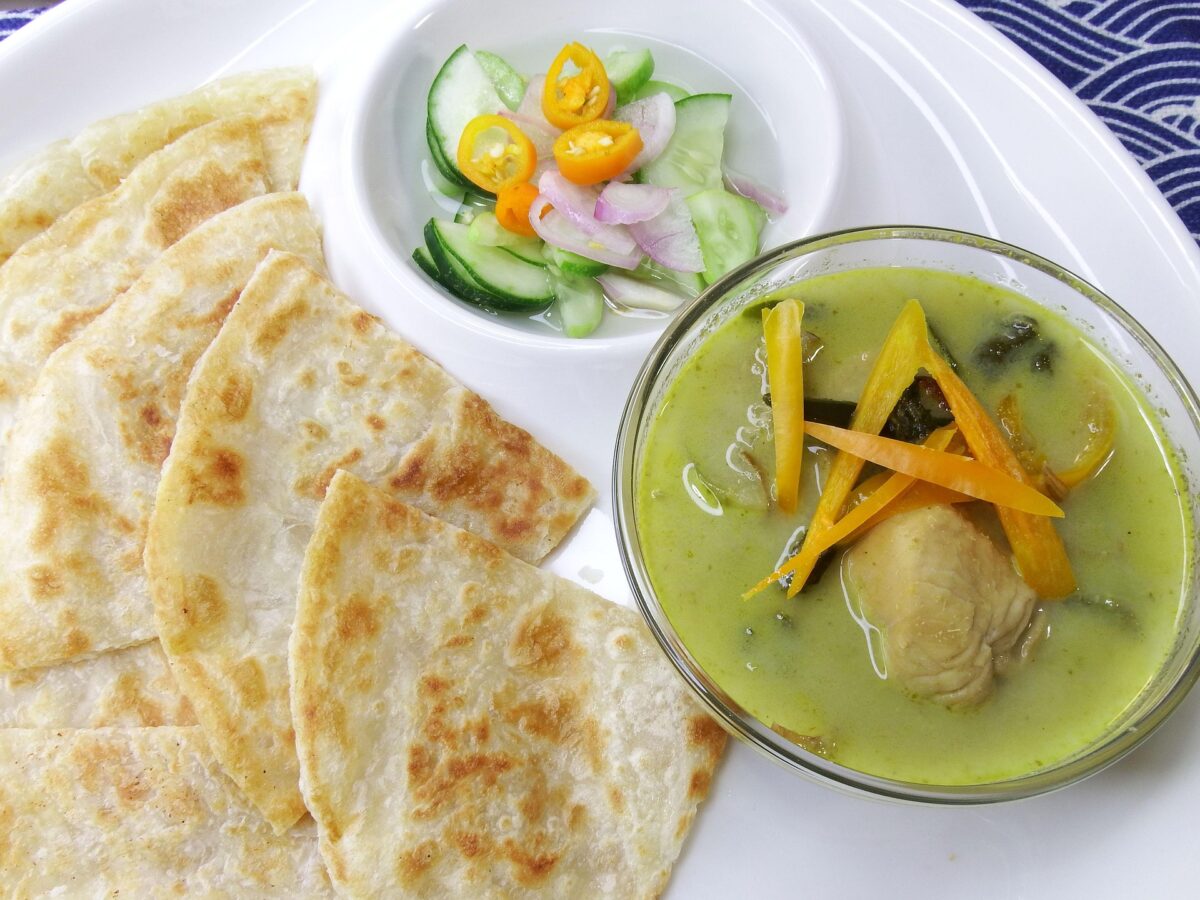
Roti, a staple food in many cultures, is a simple yet versatile flatbread that has been nourishing people for centuries. From the Indian subcontinent to the Caribbean, roti has evolved into numerous forms, each with its unique history, ingredients, and preparation methods. This article explores the fascinating world of rotis, their origins, and the cultural significance they hold across the globe.
What is Roti?
Roti is a type of unleavened flatbread made from flour, water, and sometimes oil or salt. It is typically cooked on a flat griddle or tawa and is a fundamental part of diets in South Asia, Southeast Asia, the Caribbean, and parts of Africa. The word “roti” is derived from the Sanskrit word rotika, meaning “bread.”
The History of Roti
The origins of roti can be traced back to ancient India, where it was a simple, unleavened bread made from ground grains. Over time, as trade routes expanded and cultures intermingled, roti spread to other regions, adapting to local tastes and ingredients. For example, the Mughal Empire introduced refined flour (maida) to India, leading to the creation of richer, layered breads like paratha and naan.
In the Caribbean, roti was brought by Indian indentured laborers in the 19th century. It evolved into a fusion dish, incorporating local flavors and ingredients, such as curry-filled rotis. Similarly, in Southeast Asia, roti became a popular street food, with variations like roti canai in Malaysia and roti prata in Singapore.
Types of Rotis Around the World
Chapati (India, Pakistan, Nepal)
- Description: A thin, unleavened flatbread made from whole wheat flour (atta), water, and salt.
- History: Chapati has been a staple in the Indian subcontinent for thousands of years. It is mentioned in ancient texts like the Vedas.
- Cultural Significance: Often eaten with curries, vegetables, or lentils, chapati is a symbol of simplicity and sustenance.
Paratha (India, Pakistan, Bangladesh)
- Description: A layered, flaky flatbread made with whole wheat flour and ghee or oil. It can be stuffed with vegetables, paneer, or meat.
- History: Paratha originated in North India and was influenced by Persian and Central Asian cuisines during the Mughal era.
- Cultural Significance: A popular breakfast item, paratha is often served with yogurt, pickles, or chutney.
Naan (India, Pakistan, Central Asia)
- Description: A leavened flatbread made with refined flour, yogurt, and yeast, traditionally cooked in a tandoor (clay oven).
- History: Naan has Persian roots and was introduced to India by the Mughals. It was initially a bread for royalty.
- Cultural Significance: Naan is often paired with rich curries and kebabs, symbolizing indulgence and celebration.
Roti Canai (Malaysia)
- Description: A flaky, layered flatbread made with flour, water, and ghee, often served with curry or dal.
- History: Roti canai was brought to Malaysia by Indian immigrants and adapted to local tastes.
- Cultural Significance: A beloved street food, roti canai is a testament to Malaysia’s multicultural heritage.
Dhalpuri (Trinidad and Tobago)
- Description: A stuffed roti filled with seasoned ground split peas, served with curried meat or vegetables.
- History: Dhalpuri was introduced to the Caribbean by Indian indentured laborers in the 19th century.
- Cultural Significance: A symbol of Indo-Caribbean fusion, dhalpuri is a staple at celebrations and family gatherings.
Roti Prata (Singapore)
- Description: A crispy, layered flatbread similar to roti canai, often served with sugar or curry.
- History: Roti prata was brought to Singapore by Indian migrants and has become a popular hawker food.
- Cultural Significance: A favorite breakfast and late-night snack, roti prata reflects Singapore’s diverse culinary landscape.
Injera (Ethiopia)
- Description: A spongy, sourdough flatbread made from teff flour, used as a base for stews and salads.
- History: Injera has been a staple in Ethiopian cuisine for centuries, with its origins tied to the ancient Axumite Kingdom.
- Cultural Significance: Injera is central to Ethiopian communal dining, symbolizing unity and sharing.
Tortilla (Mexico)
- Description: A thin, unleavened flatbread made from corn or wheat flour, used in dishes like tacos and burritos.
- History: Tortillas date back to the Aztec and Mayan civilizations, where corn was a sacred crop.
- Cultural Significance: A cornerstone of Mexican cuisine, tortillas represent the country’s indigenous heritage.
The Cultural Significance of Roti
Roti is more than just food; it is a cultural symbol. In South Asia, sharing roti signifies trust and friendship. In the Caribbean, roti represents the resilience and adaptability of Indian immigrants. In Ethiopia, injera embodies communal values, while in Mexico, tortillas connect people to their ancient roots.
In a Nutshell
From the humble chapati to the flaky roti canai, the world of rotis is as diverse as the cultures that cherish them. Each variety tells a story of migration, adaptation, and innovation, reflecting the rich tapestry of human history. Whether enjoyed with curry, dal, or stew, roti remains a universal comfort food that transcends borders and brings people together.
References
- Achaya, K. T. (1994). Indian Food: A Historical Companion. Oxford University Press.
- Sen, Colleen Taylor (2014). Feasts and Fasts: A History of Food in India. Reaktion Books.
- Davidson, Alan (2014). The Oxford Companion to Food. Oxford University Press.
- Mintz, Sidney W. (1996). Tasting Food, Tasting Freedom: Excursions into Eating, Culture, and the Past. Beacon Press.
- Ghosh, Anindita (2018). Claiming the City: Protest, Crime, and Scandals in Colonial Calcutta. Oxford University Press.
- Fernandez, Doreen (1994). Tikim: Essays on Philippine Food and Culture. Anvil Publishing.
This article is a celebration of roti’s global journey, honoring its history and the countless hands that have shaped it into the beloved food it is today.
Image Credit : Image by thamrongtheerapat Pipat from Pixabay